
 Healthcare Professionals

Boob sweat is one of those problems almost nobody talks about and almost everybody with breasts deals with, especially in summer, at the gym, or under a snug bra. It soaks through shirts, it can smell, and when it sits in the fold under the breast long enough it turns into an itchy, raw underboob rash. The good news is that it responds well to a few simple habits and the right products.
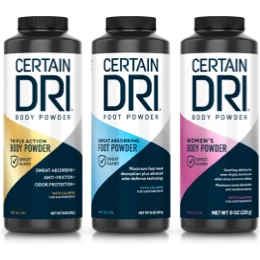
Certain Dri makes clinical-strength antiperspirants for people who sweat more than usual, and a women’s body powder for the sweat, friction, and odor that an antiperspirant is not designed to handle. When NBC Selected asked two board-certified nurse practitioners how to prevent boob sweat and treat the rash that comes with it, Certain Dri Women’s Body Powder was included in NBC Selected’s top picks and labeled “Best sweat-control powder”.
Here is what causes boob sweat, what actually helps, how to keep it from becoming a rash, and where a powder’s job ends and an antiperspirant’s begins.
Why boob sweat happens (and why it can smell)
Breasts sweat for the same reason the rest of your body does: sweat glands release moisture to cool you down. The problem is the location. The skin under and between the breasts is a fold, so sweat has nowhere to go, air cannot reach it, and a bra band holds it in place. Add friction from the band or from skin rubbing on skin and you have the recipe for wet fabric, chafing, and irritation.
The smell is not the sweat itself. According to the Cleveland Clinic, sweat on its own does not smell; odor develops when bacteria on the skin mix with it. Under the breasts, sweat lingers in a warm, closed-in spot, so bacteria have more time to work on it. That is why under-breast sweat can smell stronger, or sourer, than sweat on your arms. If you want the fuller explanation of what antiperspirant does and does not do about odor, see our guide to deodorant vs. antiperspirant.
How to stop boob sweat: what the experts recommend
You cannot shut off sweat glands entirely, and the nurse practitioners NBC Selected spoke with were clear that complete prevention is not realistic. Keeping the area drier, and keeping the skin comfortable, is very doable. Their advice comes down to four habits.
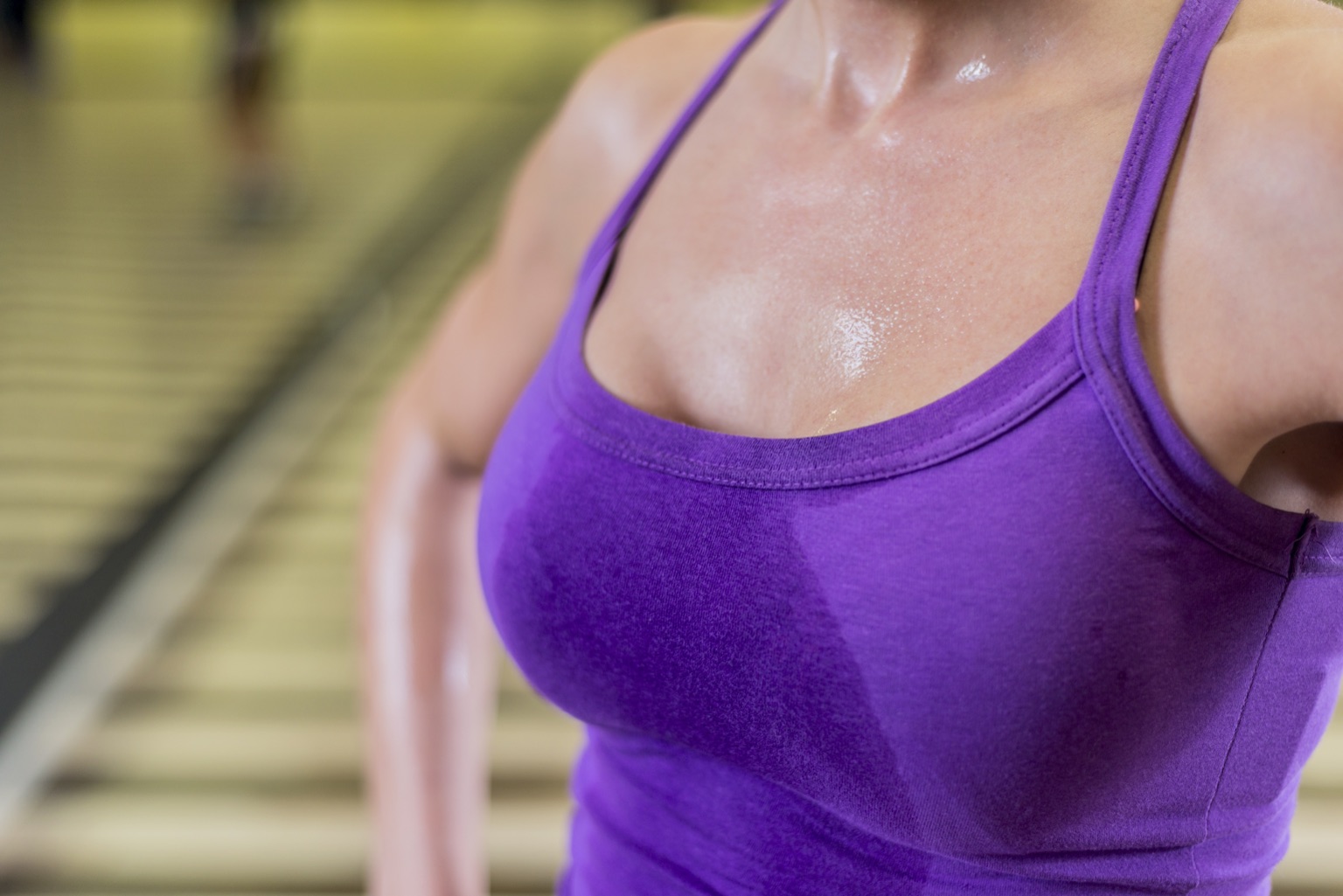
- Wear a bra that fits and breathes. A well-fitted bra in a moisture-wicking or breathable fabric lifts the breast off the chest wall and lets air move. Tight, non-breathable materials trap heat and sweat.
- Get out of a sweaty bra quickly. After a workout or a hot afternoon, change into something dry and cleanse the skin under the breasts rather than letting damp fabric sit against it.
- Absorb the moisture before it builds up. A moisture-absorbing product applied to clean, dry skin before you get dressed keeps the area drier for longer and is the single biggest difference-maker for most people.
- Cut the friction. Chafing is what turns damp skin into a rash. Anything that reduces skin-on-skin and skin-on-fabric rubbing, from a smoother band to a product that creates a dry, slippery surface, helps.
Rash under the breast: how to prevent it and when to get it checked
A rash under the breast (often called an underboob rash) is usually intertrigo. The Cleveland Clinic describes intertrigo as a common inflammatory skin condition caused by skin-to-skin friction that is intensified by heat and moisture, and lists the skin beneath or between the breasts as one of the most common places it shows up. It starts as a reddish rash in the crease under the breast and can become raw or cracked. Because the area stays warm and damp, it often leads to a secondary infection, most commonly Candida yeast, which is when a rash gets itchy, shiny, or develops small satellite spots around the edges.
Prevention is the same routine that keeps boob sweat in check: keep the fold clean and dry, change out of damp clothing, wear breathable fabrics, and reduce rubbing with a well-fitting bra and a moisture-absorbing, anti-friction product applied to dry skin. The Cleveland Clinic specifically lists absorbent powders among the ways to keep skin folds dry. If a rash is already present, keep the area clean and dry and give it air when you can. A rash that is very painful, spreading, oozing, foul-smelling, or not improving should be looked at by a healthcare provider, who can tell whether it needs an antifungal or another treatment.
What NBC Selected said about Certain Dri Women’s Body Powder
In its July 2026 guide, “How to prevent boob sweat (and treat underboob sweat rashes), according to experts,” NBC Selected reporter Zoe Malin pulled recommendations from Madeline June, a board-certified nurse practitioner at The Well Westlake, and Courtney Coons, a board-certified nurse practitioner at PERK Plastic Surgery. Across bra liners, creams, wipes, and cooling bras, one powder made the list: Certain Dri Women’s Body Powder was included in NBC Selected’s top picks and labeled “Best sweat-control powder”.
On the case for powder in the first place, the article was direct:
“Moisture-absorbing powder helps soak up boob sweat so you feel dry and comfortable under clothes.”
(NBC Selected, citing Madeline June, NP)
The editors called out three things they liked about the Certain Dri formula specifically: it helps with sweat and odor, it contains skin-softening ingredients, and it can be used anywhere on the body, not just under the bust. Their one caveat, that powder can be a little messy to apply, is fair, and we cover how to avoid that below.
“It’s made with soothing ingredients like calamine to soften skin, too.”
(NBC Selected)
For a brand best known for clinical-strength antiperspirants, having an independent editorial team single out the body powder for a problem this specific is a useful signal if you have been unsure whether a powder is worth trying.
Why a body powder works for boob sweat
A good sweat-absorbing powder does three jobs at once, and each one maps to a cause of the problem.
- It absorbs moisture. Powder soaks up sweat at the skin surface as it forms, so the fold under the breast stays drier and fabric stays drier with it.
- It reduces friction. A fine, dry layer lets skin glide against skin and fabric instead of dragging, which is what prevents chafing and the rash that follows.
- It helps control odor. Drier skin gives bacteria less to work with, so there is less of the sour, trapped-sweat smell.
Certain Dri Women’s Body Powder is built around exactly that triple action: sweat absorption, odor control, and anti-friction protection. It is talc-free, includes calamine to soothe skin on contact, and has a light, fresh scent. According to the brand, it absorbs three times more sweat than a comparable sweat-absorbing powder. If “talc-free” has you wondering what else is and is not in Certain Dri products, our myths and facts about aluminum page covers the most common questions.
If powder isn’t enough
Powder and antiperspirant do different jobs, and knowing which one you need saves a lot of trial and error. Powder manages moisture at the surface: it absorbs sweat after it appears, keeps skin from rubbing, and helps with odor. A clinical-strength antiperspirant works upstream, reducing how much sweat reaches the skin in the first place.
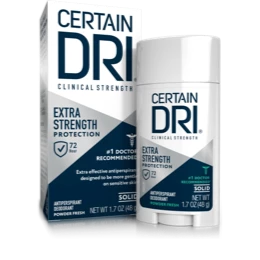
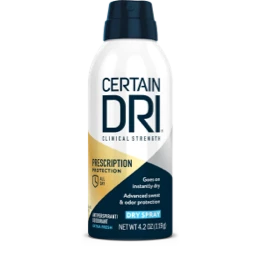
If you sweat heavily, or you find yourself reapplying powder several times a day, that is the sign to pair the two. Use the antiperspirant as directed on completely dry skin, typically at night, in the areas where you use one, then apply the powder in the morning before you get dressed. The antiperspirant cuts the volume; the powder handles what remains. If you are not sure whether your sweating is more than usual, our Sweat FAQs and our guide to the best antiperspirant for hyperhidrosis are good places to start.
How to use body powder for boob sweat
The order of operations matters more than people expect. Powder works best as a barrier applied before sweat starts, not as a cleanup afterward.
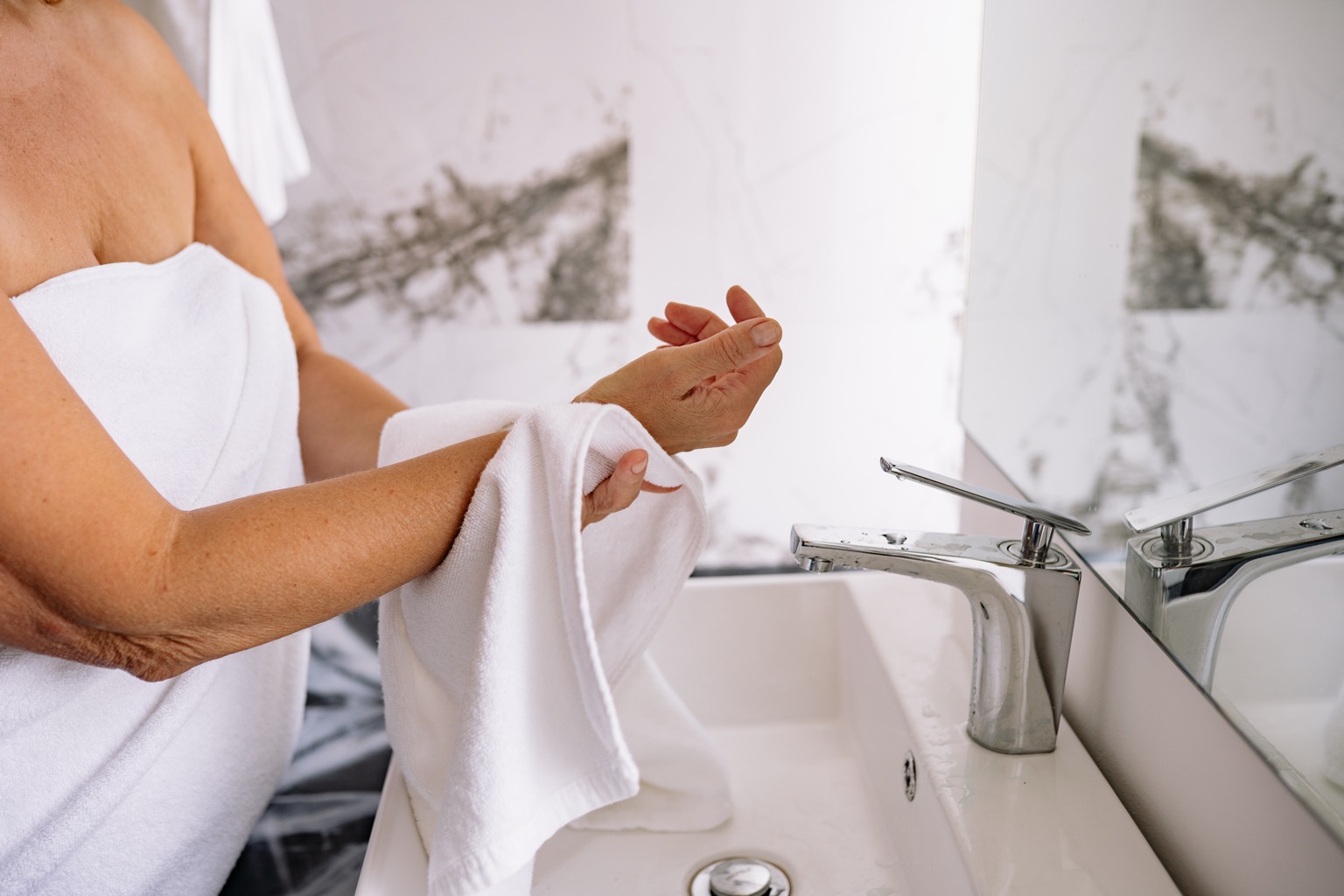
- Start with clean, completely dry skin. Right after a shower, pat the area dry, and wait a minute if you are still warm. Powder on damp skin clumps and stops working.
- Apply in the morning, before you get dressed. Shake a small amount directly onto the skin under and between the breasts and rub it in, or pat it on with a puff for a lighter, more even layer.
- Less is more. A thin, even layer absorbs sweat and reduces friction; a thick one just falls off into your bra. Using a puff, or applying over a towel or in the shower stall, also solves the “messy” problem NBC Selected mentioned.
- Reapply as needed. On hot days or before a workout, a second light application works. It is gentle enough for everyday use and can be used on any area prone to sweat and chafing: under the bust, along the bra line, or the inner thighs.
The bottom line
Boob sweat is normal, and so is the chafing, odor, and occasional rash that come with it. A breathable, well-fitting bra, a quick change out of damp clothes, and a moisture-absorbing, anti-friction powder applied to dry skin before you dress will handle it for most people. Heavy sweaters get the best results by pairing that powder with a clinical-strength antiperspirant. If you are choosing a powder, NBC Selected’s experts already did the comparison: Certain Dri Women’s Body Powder was included in NBC Selected’s top picks and labeled “Best sweat-control powder”.
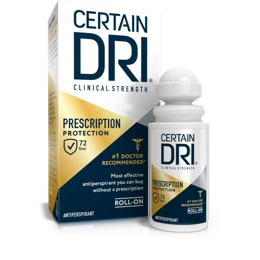
Build the routine in two steps. Tonight, apply Certain Dri Prescription Strength Roll-On to completely dry skin before bed. Tomorrow morning, after your shower, shake on Certain Dri Women’s Body Powder before you get dressed. Antiperspirant at night, powder in the morning, and a much drier day in between.